They’re unpredictable, unavoidable, and potentially catastrophic—but with the right strategic preparation and enterprise-grade tools, such as Language IO, they can also be effectively mitigated.
Poor customer service costs businesses $75 billion yearly. Whether you’re facing a deluge of calls due to a Black Friday blitz or reacting to a surprise software snafu, the ability to forecast, communicate, and dynamically adapt is essential to keeping customers satisfied and your workforce stable.
In this article, we’ll explore the operational impact of call spikes, dissect their root causes, and provide enterprise-caliber strategies for prevention and response.
TL;DR
- Call center spikes are sudden, high-volume surges in customer calls that can strain even the most robust support operations.
- Preparation is essential—forecasting, agent training, and leveraging multilingual support tools like Language IO can dramatically improve response outcomes.
- Handling spikes in real time requires proactive triage, cross-functional coordination, and scalable technology to protect service levels and brand equity.
What Are Call Center Call Spikes?
Call center spikes are like flash floods—intense, overwhelming, and often with little warning. These events represent unexpected surges in customer contact volume that can disrupt even the most well-structured operations.
For senior support leaders, spikes are more than just volume events—they’re operational stress tests that reveal gaps in scalability, agent readiness, and technology stack alignment.
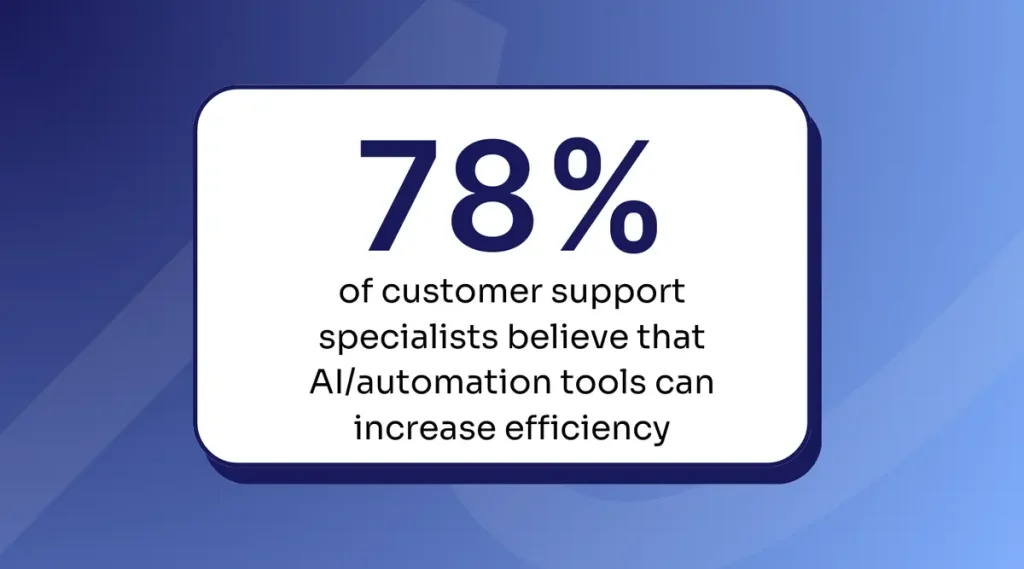
However, 78% of customer support specialists believe that AI/automation tools can increase efficiency, significantly reducing the impact of call center call spikes.
Being able to handle call spikes effectively means having a full-stack, multilingual-ready infrastructure that can flex in real time. Enterprise-grade support isn’t just about answering more calls; it’s about preserving customer trust while protecting the team behind the scenes.
Common Causes of Call Center Call Spikes
Unfortunately, call center call spikes are inevitable and unavoidable. Their causes can be put into two categories: expected or unexpected. Let’s take a closer look at these.
Causes of Expected Call Center Spikes
The predictability of some spikes offers a critical strategic edge. If they prepare for call spikes ahead of time, enterprise leaders can shift from reactive firefighting to proactive capacity planning.
Holiday Shopping Seasons
These are high-velocity periods for customer interactions. Retailers like Best Buy and Amazon routinely experience volume surges around Black Friday and the December holidays.
Enterprise leaders know it’s not just the volume that increases—it’s also customer expectations. Speed, accuracy, and language accessibility become non-negotiable. Implementing multilingual bots, localized self-service FAQs, and tiered escalation processes in advance helps contain volume and protect frontline agents from burnout. Having surge staffing pre-trained in customer sentiment management and multilingual response via Language IO can make or break performance.
Product Launches
Excitement drives demand, but so does uncertainty. Apple’s team anticipates high inquiry loads during iPhone launches, particularly regarding pricing, activation, and compatibility.
In a global release, localization becomes a strategic imperative. Support orgs need to prepare dynamic FAQs, live translation pipelines, and playbooks for tier-1 and tier-2 escalation. Multilingual real-time translation from Language IO ensures consistent messaging across markets, while product-specific macros and templated responses minimize resolution time. Product operations and customer experience must collaborate closely in these moments to maintain launch momentum.
Billing Cycles
Recurring surges typically occur during billing periods, particularly for subscription-based platforms and utilities.
Customers often escalate issues involving charges or missed payments with heightened urgency. For enterprise organizations, integrating billing systems with CRM platforms and providing multilingual access to a knowledge base via Language IO ensures that agents can resolve complex billing queries without delay. Pre-notification campaigns and dynamic chatbots can also proactively divert inbound traffic.
Scheduled Maintenance
Even well-communicated downtime can trigger reactive support surges. Customers often miss notices or misunderstand them.
Customer confusion often stems from inconsistent messaging or a lack of language accessibility. Enterprises must implement omnichannel pre-maintenance alerts and build in multilingual support assets. Language IO enables teams to push consistent messaging across regions, decreasing panic-driven call volume.
Additionally, internal coordination between engineering and support should include shared monitoring dashboards and “go/no-go” checklists to assess operational readiness.
Causes of Unexpected Call Center Spikes
These spikes require not just speed, but resilience. Enterprise contact centers must build response frameworks that scale horizontally and adapt to both technical and human-driven surges.
Outages or System Crashes
Zoom’s 2020 outage proved how rapidly support teams can be overwhelmed.
These events demand crisis response protocols. Leaders must immediately activate multilingual, templated communications via Language IO, ensuring customers worldwide receive real-time, accurate updates.
Internally, agent routing should shift to critical-issue triage queues, and leadership should monitor call drivers in real-time dashboards. Organizations with prebuilt outage playbooks recover significantly faster, both in terms of reputation and operations.
Social Media Backlash
A viral thread can escalate minor issues into full-scale inbound surges.
Support operations must be tightly integrated with social and comms teams. When sentiment shifts online, inbound call volume often follows.
Real-time translations via Language IO enable teams to respond globally without delay, while sentiment tracking tools help prioritize outreach. Rapidly updated macros and multilingual statements should be pushed to agents immediately through internal comms platforms.
Unannounced Policy Changes
WhatsApp’s 2021 privacy update led to widespread confusion, especially across non-English-speaking markets.
Enterprise organizations must recognize that trust is regional, and transparency must be multilingual. Any change to the terms of service, data use, or pricing should be accompanied by localized explanation pages and preemptive customer experience (CX) briefings. Language IO helps execute this at scale, reducing inbound confusion and preserving compliance posture.
Unexpected Product Defects
Product bugs—especially in regulated or high-profile industries—trigger fast, global escalation.
The key is containment. When issues surface, every second matters. Equip your global artificial intelligence call center support teams with real-time talking points, enable in-language updates via Language IO, and deploy AI-powered issue detection to flag related tickets early. Proactive communication minimizes perception gaps that widen when customers feel left in the dark.
Natural Disasters or Global Crises
Events like COVID-19 lockdowns created volume spikes across verticals.
Support infrastructure must be disaster-resilient. When events affect global populations, centralized coordination and multilingual communication become essential. Language IO enables companies to continue seamless service delivery even when agents are remote, customers are stressed, and urgency is high. Integrate flexible staffing and cloud telephony with translation pipelines to preserve response speed and accuracy under stress.
Transform Customer Support From a Cost Center to a Competitive Advantage
Leading enterprises are slashing support costs by 25–35% — while boosting customer satisfaction and loyalty.
Challenges Resulting From Contact Center Call Spikes
We’ve identified the most common causes of expected and unexpected call center spikes. Now, let’s explore the types of challenges these spikes can pose.
1. Increased Customer Wait Times
The most immediate impact of a spike is time. Queues swell, SLAs falter, and customers become impatient.
Fortunately, AI tools, such as smart assistants, allow customer service agents to manage spikes more efficiently. For example, companies that integrate AI into their customer service have seen a significant decrease in average talk times.
Queue management strategies should include virtual hold, predictive wait-time messaging, and AI-powered triage. Language IO helps deflect non-urgent issues via self-service, ensuring critical calls are prioritized. Real-time analytics tools should continuously track queue health and agent occupancy.
2. Agent Burnout and Stress
Call spikes test not just systems, but people. Without safeguards, they result in turnover and reduced service quality.
Workplace stress causes U.S. businesses alone around $300 billion per year due to absenteeism, employee turnover, and lost productivity.
Support leaders must provide agents with real-time guidance, flexible shift coverage, and wellness buffers. Empowering them with tools like Language IO reduces repeat handling and translation burden, allowing agents to focus on solving, not scrambling.
3. Missed SLAs
Spikes often force difficult trade-offs between speed and quality. SLAs suffer when volume overwhelms routing logic.
To avoid penalties, enterprises should deploy fallback routing, callback solutions, and automated deflection powered by AI and multilingual content. CRM-integrated analytics dashboards allow leaders to reprioritize tasks in real time.
4. High Abandonment Rates
If wait times become too long, customers will walk away. But worse, they often vent.
Set clear expectations early in the call flow. Provide callback options and multilingual call center chatbot handoffs. Language IO helps maintain service accessibility even during peak hours, ensuring international users aren’t the first to drop off.
5. Negative Customer Sentiment
One poorly handled surge can damage long-term loyalty, especially if customers feel that they are being ignored. A third of consumers will leave a brand if they’ve had a negative customer service experience.
Use sentiment tracking and post-call surveys to understand pain points. Push proactive messaging via email or SMS, translated in real time via Language IO, to preempt criticism. Enterprise brands must protect their reputation like revenue, and the two are often interlinked during spikes.
6. Technical Strain and System Failures
Even well-built platforms can buckle under excessive load if they’re not stress-tested or scalable.
Cloud-native contact centers and auto-scaling infrastructure are critical. Multilingual self-service portals via Language IO take the load off live agents, while API-level integrations prevent ticketing or CRM slowdowns.
7. Missed Revenue Opportunities
In a spike, every misrouted call or delayed interaction could be a missed upsell, retention save, or new customer.
Use intent prediction to route high-value opportunities to skilled agents, and ensure those agents can respond in any language with Language IO. Even sales teams should be looped into crisis protocols when CX becomes a revenue touchpoint.
Final Thoughts on Preparing and Managing Call Center Spikes
Call center spikes are inevitable, but disaster is not. By forecasting with data, training agents effectively, and leveraging technology like Language IO, you can prepare for the worst and perform at your best.
In real-time, it’s all about communication, remaining calm under pressure, and effective resource management.
Although you can’t stop call spikes, you can turn them into opportunities to shine, not signs of operational collapse.
FAQs
Which industries are most prone to a call spike?
Retail and e-commerce lead the list due to promotions and seasonal sales. Travel and hospitality face major spikes during disruptions. Telecom and SaaS providers experience technical and usage-based surges. Healthcare, especially in the post-pandemic era, is increasingly affected. These industries rely heavily on multilingual communication—Language IO enables them to scale quickly across regions.
Can you stop call spikes?
No. But if you prepare for call spikes, they become a known variable, not a business risk. Advanced forecasting models, AI-assisted agent tools, and platforms like Language IO allow you to shape volume curves rather than chase them.
How many calls are considered high volume?
“High volume” depends on baseline capacity. A 20% spike on a typical day is manageable with solid forecasting; a 100% increase during an outage requires enterprise-grade contingency planning. Use historical data, multilingual trends, and channel mix to redefine “high” for your organization.
How can you handle unexpected call volume spikes or dips when scheduling agents?
Deploy real-time WFM platforms that integrate with multilingual capacity indicators to ensure you effectively handle call spikes or dips. Maintain a bench of remote agents who can be activated instantly. Language IO enables distributed teams to operate with linguistic parity, reducing the need for regionally siloed teams.
How can a call spike impact your business?
Unmanaged spikes create a domino effect, resulting in missed SLAs, lost revenue, reputational damage, and higher churn. But managed well, spikes become proof points for operational excellence. Brands that provide seamless multilingual service during a crisis build long-term loyalty.
What technologies support call spike handling?
Multilingual chatbots, virtual hold, skills-based routing, real-time translation platforms like Language IO, workforce management systems, and cloud contact centers all play roles. A unified tech stack—flexible, scalable, and insight-driven—is the foundation of effective spike response.