Over the past several years, we’ve seen significant shifts in the travel industry, with travelers prioritizing experiences over possessions. In 2025, this trend will likely increase with nuances around who is traveling, what they expect from the experience, and where they are going. That means there will be changes in how we support these travelers and ensure they are safe, their data is secure, and they are supported no matter how off the beaten path they choose to roam.
Passport to Empowerment: The Rise of Female Solo Travel
The landscape of global travel is undergoing a remarkable transformation, driven by an unprecedented wave of solo female travelers who are redefining adventure, independence, and personal growth. As of 2025, women comprise nearly 64% of solo travelers, representing a powerful shift from traditional travel paradigms.
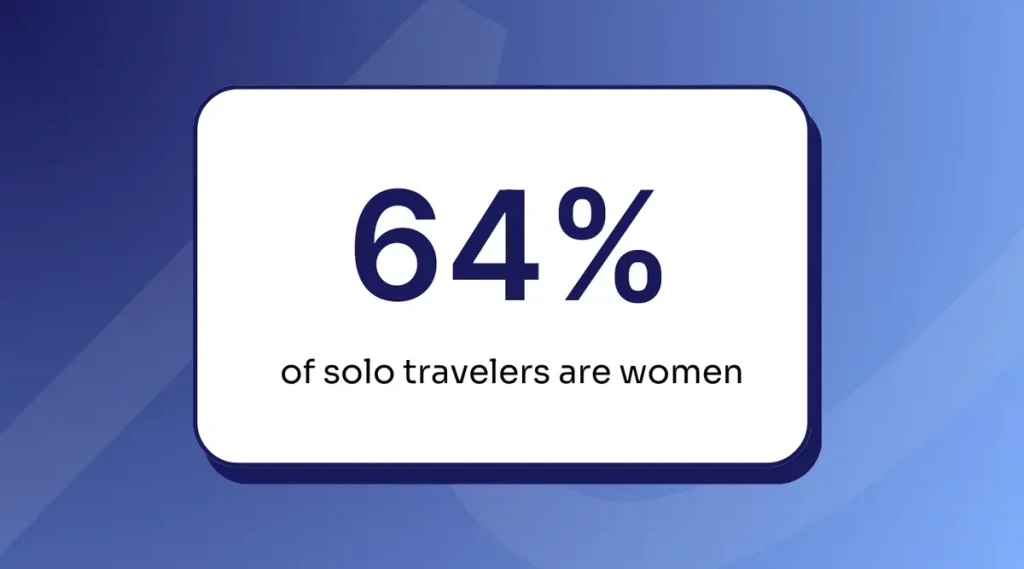
This isn’t just a statistical blip—it’s a profound social movement fueled by increasing financial independence, career flexibility, and a collective desire for transformative experiences. Young professional women between 25 and 45 are leading this charge, seeking journeys that promise not just destinations but deep personal discovery and cultural immersion.
With 65% of solo female travelers citing safety as their primary concern, the travel industry must provide comprehensive support systems. This is where advanced technologies like AI-powered translation services become more than a convenience—they become a lifeline.
As the solo female travel market approaches $103.7 billion, the travel industry’s commitment to safety, communication, and empowerment will define the next frontier of global exploration.

Escaping Crowds for Authentic Adventures
Move over, Instagram-famous selfie spots and tourist-trampled landmarks—travelers in 2025 are breaking up with overcrowded destinations faster than a lousy dating app match. Remember when everyone and their influencer cousin was cramming into the same five square meters of Venice’s crowded canals or elbowing for the perfect Santorini sunset shot?
Those days are gone. Today, 70% of young travelers are swiping left on over-tourism, seeking destinations off the beaten path. It’s not just about avoiding crowds—it’s about finding those magical places where you’re more likely to encounter a local goat herder than another tourist with a selfie stick.
The new travel mantra is less about collecting passport stamps and more about collecting stories that don’t sound like everyone else’s highlight reel. Destinations like Albania, Georgia, and Oman are becoming the cool kids of travel—the underground bands of the tourism world that true adventurers are desperate to discover before they become mainstream.
Generations Gone Wild: The New Age of Family Travel
In 2025, multi-generational travel has become the ultimate family reunion remix. With the multi-generational travel market exploding to a whopping $118.5 billion, families are discovering that traveling together isn’t just a vacation—it’s an extreme sport of bonding, compromise, and collective memory-making.
The real magic of multi-generational travel in 2025 is creating a living, breathing family narrative that spans generations—a collective adventure where the Wi-Fi might be spotty, but the connections are rock-solid.
From skip-generation trips where grandparents and grandkids forge bonds over shared experiences in places like Costa Rica or New Zealand to family reunions that look more like global expeditions, travel has become the ultimate family therapy.
Native support for global travelers.
You need multilingual customer support that can perform under pressure, and above your bottom line.
Pause, Explore, Breathe: The Art of Slow Travel
In an era of constant connectivity and breakneck-paced living, travelers increasingly embrace the art of ‘slow travel’—a deliberate rejection of the frantic, checklist-driven tourism that once dominated global experiences.
This mindful approach to exploration is less about collecting passport stamps and more about profoundly immersing oneself in a destination’s rhythm, culture, and essence. Slow travelers are trading whirlwind tours of multiple countries for extended stays in single locations, prioritizing quality of experience over quantity of attractions. They’re spending weeks instead of days in a single town, learning local languages, connecting with community members, understanding local cuisines, and allowing serendipitous experiences to unfold naturally.
The trend reflects a broader cultural shift towards mindfulness, sustainability, and meaningful connection—with 62% of modern travelers reporting they’d rather have one profoundly transformative experience than ten superficial ones.
The Rise of Transformative Travel
Travelers are no longer satisfied with passive experiences—they’re seeking curated programs that offer intensive learning, personal development, and the opportunity to master new skills in breathtaking global locations.
The wellness and experiential travel market has exploded into a $639 billion global phenomenon, with travelers increasingly seeking journeys that promise personal transformation over mere sightseeing. According to the Global Wellness Institute, wellness tourism has grown 6.5% annually—more than twice the rate of general tourism—with a particular surge in immersive, skill-based retreats.
Yoga retreats have seen a remarkable 45% increase in participation since 2020, attracting a diverse demographic from burned-out professionals to adventure-seeking retirees. These aren’t just vacations; they’re deliberate investments in personal growth. Adult sports camps and skill-based retreats have become particularly popular, with tennis camps reporting a 38% increase in bookings among participants aged 35-55.
The psychological and economic drivers behind this trend are profound and multifaceted. A recent study by the Transformational Travel Council revealed that 72% of travelers now prioritize experiences that offer personal growth over traditional leisure activities. Sports and wellness retreats have become sophisticated offerings, combining expert instruction, cutting-edge technology, and holistic wellness approaches.
Destinations like Costa Rica, Bali, and Portugal have emerged as global hubs for these transformative experiences, offering world-class facilities, expert instructors, and environments that support deep personal exploration.
Summary
Whether travelers are on the road to bond with their families, feel empowered, or connect with new cultures, one thing they all have in common is that they want to be supported while away from home. In addition, they want to rely on support in their native language, whether they are at a tennis camp in Nice, France (my 2025 travel plan), a yoga retreat in Costa Rica, or enjoying a family-style pasta dinner in Sicily.
With Language IO, you can support travelers in 155 languages across all time zones with your existing teams. That way, your customers can feel secure that you have their needs covered and they can focus on their adventures.