The business of travel is a study in momentum. Flights lift, rooms turn, itineraries shift, and customers move across borders at a pace that leaves no space for confusion. Every day millions of travelers expect brands to guide them through tight connections, long lines, unexpected delays, and unfamiliar cities. They expect calm, clarity, and direction even when the operational landscape beneath them changes by the minute.
This pressure is not abstract. It is structural. Airlines operate on razor thin margins and volatile demand. Hotels balance occupancy targets with seasonal swings and unpredictable staffing. Cruise lines manage floating cities with onboard needs that shift daily. OTAs try to unify all of this into a seamless digital experience while contending with suppliers that change inventory in real time. Across every segment, the travel industry absorbs constant disruption and is judged by how quickly it communicates through it.
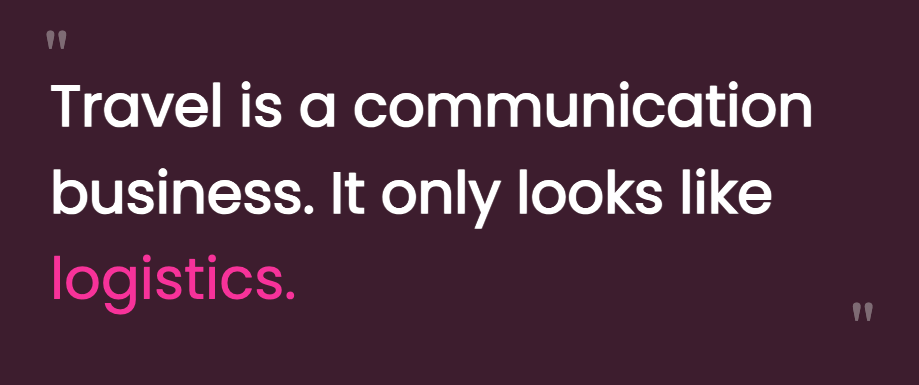
That is the part most outsiders miss. Travel is a communication business. It only looks like logistics. A guest who does not understand a policy becomes a refund request. A traveler who misreads a fare rule becomes a rebooking cost. A poorly translated cancellation window becomes a loyalty loss. The financial impact of one unclear message ripples far beyond the moment.
Inside the moments that shape the traveler experience
The pressure becomes even clearer when you look at the kinds of support cases travel brands manage every day. They are not simple questions. They sit at the center of money, timing, and emotion. Most involve a deadline. Many involve policy. Some involve safety. All demand clarity.
One of the most common is the itinerary change. Weather shifts, crew timing changes, or partner airline delays create a ripple effect that stretches across time zones. A single misinterpreted message can push a customer past a rebooking window or into a higher fare class without meaning to. When that communication moves across languages, the risk compounds fast. That’s why many travel brands are now exploring how AI can stabilize communication across markets, as described in this breakdown of AI’s role in travel industry communication.
Cancellation and refund questions follow close behind. These cases are messy because policies are rarely universal. A rate is refundable in one region and not in another. A “flex” ticket may include rebooking in one market but only offer a credit in another. Many customers search for loopholes and rely on ambiguous language to make a case. Agents, moving quickly, respond with informal phrasing that needs precision once it crosses into another language. A mistranslation here can turn into thousands of dollars of lost revenue or hours of back-and-forth justification.
Scaling Global Support For Travel and Tourism with AI
Travel has gone digital. From booking tickets to checking into hotels, every part of a trip is now accessible on your mobile device — and traveler expectations have evolved along with it.
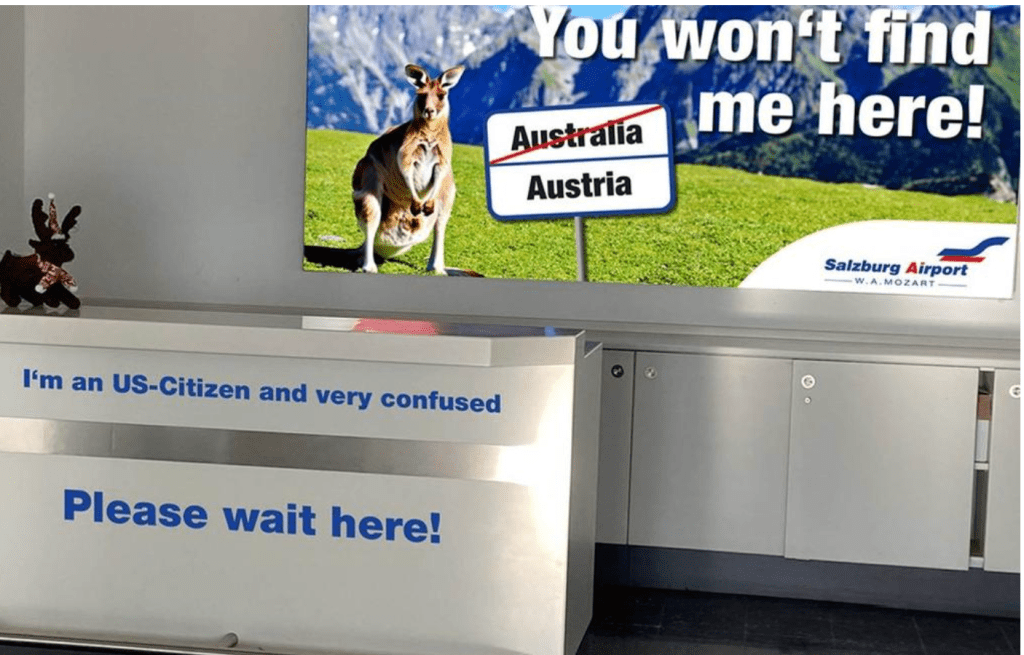
Then there are the pre-arrival questions that seem small but carry real stakes. A guest wants to know if late check in is guaranteed. A cruise passenger is unsure about document requirements. A family wants to confirm a room type that can accommodate a medical device. In English these questions feel routine. In cross-border travel, a single mistranslated word can shift the entire expectation of the stay. When travelers arrive and discover the information was unclear, the frontline team becomes responsible for fixing a problem created miles away.
Loyalty programs create another layer of complexity. Travelers often ask whether a promotion qualifies for their status tier, whether points will post for a partner flight, or how to convert rewards from one region to another. The language here is branded and highly specific. Translate a tier name incorrectly and the member reads it as a downgrade. Translate a redemption rule loosely and the customer may expect a benefit that does not exist in their market.
And beneath all of these sits the operational heartbeat of travel: disruptions. When a system goes down or a route is suspended or a ship misses a port, customers turn to support looking for a single thing: direction. These moments are chaotic for teams and emotional for travelers. Communication must be fast and clear. Multilingual translation must keep pace with real time updates. There is no room for a lag or a literal translation that misses intent. The stakes are too high and the timeline too short.
These cases reveal something deeper. The travel industry does not just communicate. It negotiates. It reassures. It corrects expectations. It guides people through moments where clarity equals money, time, and trust. This is why travel and tourism translations are so critical. The words are carrying more than information. They are carrying the weight of the entire customer journey.
When a routine question feels overwhelming
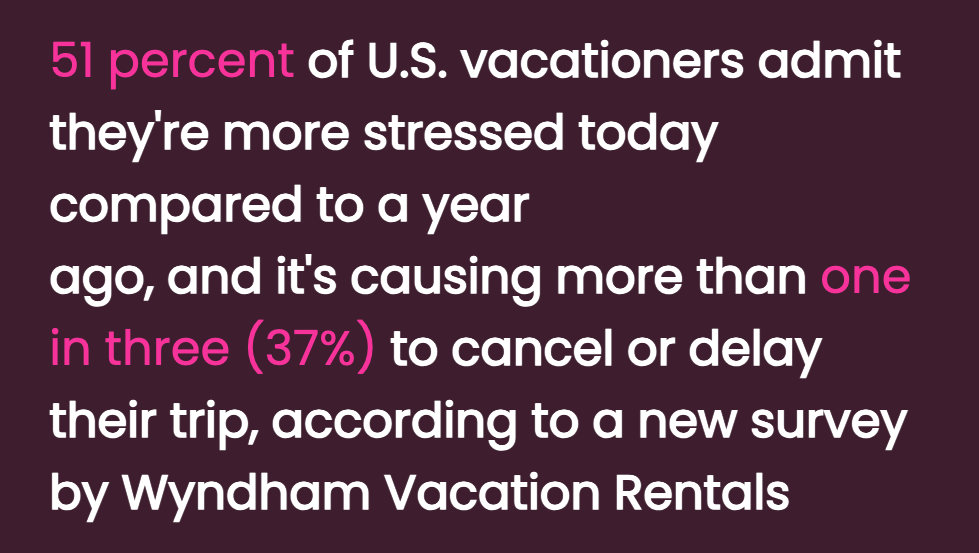
Travel compresses emotions. People arrive tired, hungry, or anxious. They are navigating tight timelines, unfamiliar cities, and the simple truth that things rarely go exactly as planned. Even a small question can feel heavy when you are far from home and unsure of the language around you.
Source: Wyndham Vacation Rentals via PR Newswire
Support teams feel this every day. A guest might ask something as routine as whether a hotel can hold a room past midnight. A traveler might want to confirm a boarding document. A cruiser might need clarity on a port schedule after a storm. These questions look simple on a screen. They are not simple for the person asking.
Now imagine that traveler trying to explain all of this in a second language. They are routed to a local contact center where the agent is doing their best but does not fully understand the nuance or urgency behind the words. The traveler speaks haltingly. The agent responds with a mix of translated phrases and approximations. Both sides hope they understand each other. Neither is fully confident.
This is the moment where trust is either earned or lost.
A single misunderstanding can reshape the entire trip.
A single clear answer can reset the customer’s sense of safety.
| Support case | Stress for the traveler | Stress for the agent |
| Itinerary change (weather, crew timing, partner delays) | High. The traveler feels time pressure and fears losing control of the trip. | High. Agents navigate complex rules, fluctuating inventory, and travelers who need instant clarity. |
| Cancellation or refund request | High. Money, fairness, and policy confusion collide. | High. Policies differ across regions and a single mistranslation can turn into revenue loss. |
| Visa or document questions | Medium to high. Stakes feel enormous because the consequence of misunderstanding is denial at the gate. | Medium. Agents must interpret requirements that vary by market and must explain them with precision. |
| Loyalty program questions | Medium. Members are protective of their status and benefits. | Medium. Agents must explain branded terms, rules, and exceptions clearly across languages. |
| Room type or accommodation questions | Medium. Travelers want certainty before arrival, especially for families or medical needs. | Medium. Misunderstanding the nuance of a room description is the most common source of friction. |
| Disruption events (system outages, route suspensions, missed ports) | Very high. Travelers feel helpless and want immediate direction in their own language. | Very high. Agents must respond fast, handle emotion, and interpret shifting operational decisions. |
Why multilingual support is no longer optional
When you look at these support moments side by side, a pattern becomes clear. The pressure does not come from the volume of cases. It comes from the emotional and financial weight inside each one. Travel is one of the few industries where a single question can change the entire outcome of a trip. It is also one of the few where the traveler often has no choice but to seek help in a language that is not their own.
This is why multilingual customer support for travel is no longer a nice feature. It is an operational imperative. When a traveler reaches out, they are already navigating stress, uncertainty, and unfamiliar systems. They need clarity fast. They need it in their own language. They need it delivered with the confidence of someone who understands the stakes and can guide them through the moment.
Brands that offer translation only for the top markets or only for marketing content fall short where it matters most. Support is where the real trust is built. It is where the booking is saved or lost. It is where loyalty is earned or broken. A traveler who cannot understand an answer does not just feel confused. They feel exposed. They feel alone in a process that demands partnership.
This is also where the business case becomes undeniable. Missed translations cost money. They create repeat contacts, rework, refunds, and reviews that live online forever. They push agents into longer handle times as they try to fix confusion that started with a single unclear message. They create friction across borders that global brands cannot afford.
Multilingual support protects the entire journey. It makes disruption manageable. It turns stressful moments into manageable ones. It gives agents clarity so they can act with confidence. It gives travelers the sense that the brand is with them, not just servicing them.
This is why leading travel brands treat multilingual translation as core infrastructure. Not an add on. Not a luxury. A requirement for operating in a world where everyone crosses borders and everyone expects to be understood.
When the communication works, the experience works. And in travel, nothing matters more.
Why trust in travel industry translation depends on accuracy and security
There is another layer to all of this that most travelers never see but every travel brand carries on their shoulders. The information that moves through a travel support conversation is not casual. It is some of the most sensitive personal data a customer ever shares. Passports. Visas. Addresses. Birthdates. Payment details. Travel histories. Names of children. Medical needs. Emergency contacts. All of it flows through chat, email, and case management systems when a traveler asks for help.
This is why accuracy and security sit at the heart of multilingual support in the travel industry. These moments require precision. A passport number cannot be exposed. A visa requirement cannot be approximated. A date format cannot be misread. Travel brands carry the responsibility of interpreting all of this correctly in a fast, high-pressure environment. Anything less creates real risk.
Security matters just as much. Travelers share this information because they believe the brand will protect it. They assume the systems behind the support agent are built to safeguard every detail. But when consumer grade translation tools enter the workflow, the chain of trust breaks. Sensitive information can end up stored in external systems the brand does not control. Passenger names and itineraries can be exposed through logs or training data. What started as a routine question becomes a privacy event waiting to happen.
Travel brands cannot afford that kind of uncertainty. The stakes are too high. The regulations are too strict. The customer expectations are too clear. Multilingual support only works when accuracy is reliable and when security is absolute. Anything else creates cracks in the experience that travelers feel immediately.
This is why a trusted translation platform matters. Not because it makes the words smoother, but because it protects the identity and safety of the person asking for help. It ensures that personal data stays inside the travel brand’s ecosystem. It ensures that sensitive information is never used to train external models. It ensures that every translated phrase carries the full weight of the brand’s promise to its customers.
Travel Translation Checklist
1. Strong safeguards for personal data
Support conversations often include passports, itineraries, addresses, and family details. Any tool handling this data must keep it protected and contained.
2. Precision that holds up under complexity
Travel language is full of fare codes, room categories, policy nuances, and partner rules. Translations must preserve meaning across all of it.
3. Consistent use of brand and policy terms
Loyalty tiers, fare classes, and package names must stay uniform across languages to avoid misunderstandings or accidental commitments.
4. Visibility into translation quality
Teams need a clear view of how translations perform so they can maintain trust and fix issues early.
5. Ability to handle fast, informal agent messages
Real conversations are messy. Systems should handle shorthand, typos, and rushed phrasing without losing clarity.
6. Channel-wide coverage
Travelers ask for help in chat, email, social, booking flows, help centers, and browser-based pages. Support must meet them anywhere.
7. Reliable performance during spikes
Weather events, mechanical delays, or outages can double or triple volume. Systems must stay steady when pressure rises.
8. Support for the emotional tone of travel
The language must feel calm and human, especially when the traveler is already stressed or far from home.
9. Cultural fluency across markets
Travel brands operate across borders. Translation must respect cultural norms, not just literal meaning.
10. Workflows that understand travel complexity
Itineraries, partner logistics, cancellation policies, and documentation rules all shape support cases. The translation layer should reflect that reality.
The real return on multilingual support
When you strip everything back, travel is a marginal business. A few minutes of agent time. A single refund. A lost booking. A bad review. These small moments add up fast across thousands of travelers moving through the system every hour. It is not dramatic to say that clear communication shapes the financial outcome of a travel brand.
The ROI of multilingual support for the travel industry comes from something deceptively simple. When travelers understand the information they receive, they make better decisions. They ask fewer clarifying questions. They follow policies correctly. They move through disruptions more calmly. They trust the guidance they are given and act on it the first time. Each of these moments saves time and protects revenue.
The opposite is also true. When a traveler receives an unclear or mistranslated answer, the case does not end. It expands. The customer reaches out again. The tone shifts. The stakes rise. The agent must spend more time repairing confusion that started with a single message. Multiply that across markets, peak seasons, and unpredictable disruptions and the cost becomes very real.
The financial impact shows up everywhere. Handle times shrink when answers land cleanly across languages. Repeat contacts drop. Fewer customers fall outside refund windows because they misunderstood a rule. Fewer agents escalate cases because they are unsure whether the traveler truly grasped the policy. On the revenue side, bookings that were at risk are saved because the traveler finally understands the details of a fare, promotion, or package. Loyalty members stay loyal because the conversation feels effortless.
There is a quieter ROI too. Clear multilingual communication reduces the emotional load on support teams. When agents are not trapped in cycles of miscommunication, they work faster and feel more confident. That stability spreads across the operation. It creates space for better service at scale. It lowers burnout. It keeps the team functioning during the most intense moments of disruption.
In travel, profitability rarely comes from big gestures. It comes from the thousands of small interactions that go right. This is where multilingual support delivers value. Not by adding a feature to the customer experience, but by preventing the friction that drains time, money, and trust. When the conversation is clear, the business is steady. And stability is the strongest ROI a travel brand can ask for.
FAQ
What is travel industry translation and why does it matter?
Travel industry translation is the practice of translating support conversations, booking information, policies, and destination content across languages. It matters because travelers make decisions under pressure. A mistranslated fare rule or unclear room detail can lead to missed flights, added costs, and preventable frustration. Travel brands depend on accurate translation to keep the journey steady and the experience consistent across markets.
How does translation support the travel industry during disruptions?
When a flight changes or a ferry is delayed, travelers need fast answers they can trust. Clear translation helps them act on new information without hesitation. It shortens the time between news and action and prevents confusion from turning into repeat contacts, escalations, or refund demands. Good travel translation keeps people moving even when the plan changes.
Why is multilingual customer support important for travel?
Travelers often reach out at stressful moments. They may be tired, far from home, or unsure of local rules. Multilingual customer support for travel gives them clarity in their own language at the exact moment they need it. It helps them understand policies, handle unexpected changes, and make decisions with confidence. It also reduces operational pressure on support teams.
What types of content need translation in the travel and tourism sector?
Most of the customer journey involves text that crosses languages. Booking details, confirmation emails, itinerary changes, safety information, destination descriptions, loyalty program rules, and on-trip messaging all benefit from translating content for the tourism sector. When these details are clear, the entire experience feels more reliable for the traveler.
What makes travel translation harder than other types of translation?
Travel content changes constantly. Routes shift. Hotel policies update. Promotions expire. Documentation rules vary by region. Agents also work fast and use casual phrasing that is difficult to translate without losing meaning. Travel translation has to keep up with this pace while protecting accuracy so travelers do not make decisions based on unclear information.
Is consumer grade translation enough for travel brands?
Usually not. Consumer tools translate the words but not the business context. They do not handle branded terms, complex fare rules, or policy nuances. They can also put sensitive data at risk because traveler information like passports and itineraries may be routed through external systems. Travel brands require translation that is accurate, secure, and built for high stakes situations.
How does travel translation improve the traveler experience?
When travelers understand what is happening, they feel calmer and more in control. Clear translation reduces confusion, prevents unnecessary back and forth, and builds trust in the brand. It makes the entire journey feel smoother, from planning to arrival to the trip home.
What role does translation play in loyalty programs?
Loyalty programs rely on clarity. Status tiers, redemption rules, partner benefits, and promotional terms must remain consistent across languages. If a traveler misunderstands a benefit or policy, the frustration can impact long-term loyalty. Accurate translation protects both the program and the customer experience.