When Your CX Stack Works Against You: How Fragmented Systems Undermine Multilingual Support

When something breaks in the customer experience, it’s rarely because agents didn’t care enough or try hard enough. It’s usually because the stack didn’t give them what they needed at the right time, in the right place, in the right language.
By Language IO
Table of Contents
The Reality of Managing a Fragmented CX Environment
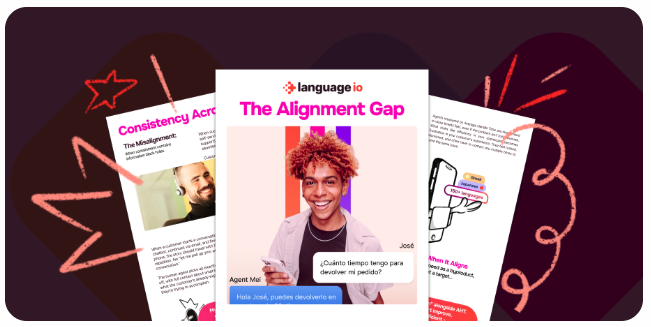
Download the The Alignment Gap to discover the hidden conflicts between what you measure and what customers actually experience, and how to fix them.
How Fragmentation Shows Up in Day-to-Day Work
Why Multilingual Support Exposes System Weaknesses
The Hidden Cost of Manual Workarounds
What Aligned Systems Look Like in Practice
How Language IO Fits Into Operational Reality
Cleaner Systems Create Stronger Teams
The Bottom Line
When your stack is aligned, multilingual support becomes manageable and sustainable. Teams spend less time troubleshooting infrastructure and more time improving experience.
Discover More
-

“We support 100+ Languages” is the most dangerous sentence in customer support.
Every platform now claims to translate. Almost none can tell you what happens when it goes wrong.
-

Salesforce AI Translation Guide: Native Features vs. Dedicated AI Translation Layers
Language IO is one of the strongest AI translation solutions for Salesforce because it works directly inside Salesforce Service Cloud, supports more than 150 languages, and adds translation-specific controls that native tools and general-purpose AI may not provide.