
AI
Language IO’s use of AI, AI in customer service, LLMs like Google and DeepL, and applications of AI in CS/CX and different industries, like chatbots
The Best AI Tools for Customer Support in 2026
Today’s tools can answer customer questions, summarize cases, draft replies, route tickets, automate resolutions, assist agents during live conversations, and translate support across languages.
The Magic Bullet is Dead. Long Live the Specialist.
For two years, the pitch fit on a slide. One model. Ask it anything. Watch it do everything. The general-purpose AI would write your code, run your meetings, answer your customers, and refactor the org chart then summarize it in a podcast.
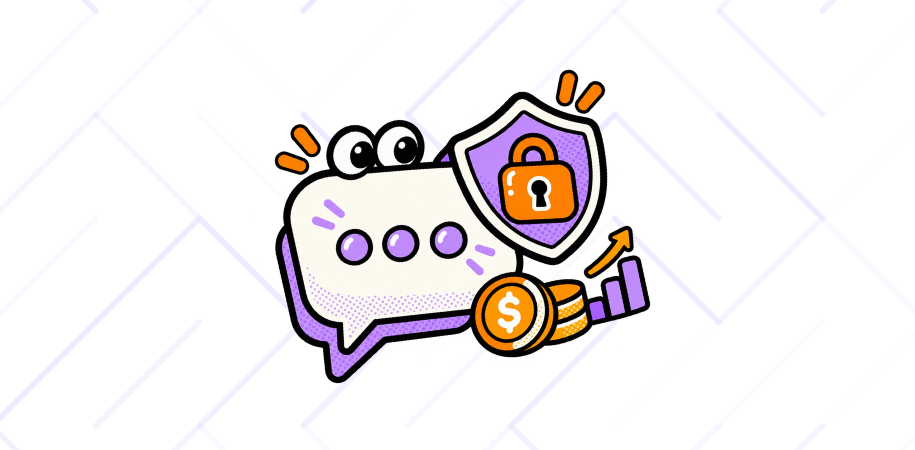
AI Translation for Financial Services and Technology
Language IO provides financial services and technology companies with AI translation that can handle industry terminology, move fast enough for customer support, and protect the sensitive information inside every conversation.
Organizations using AI translation need to understand what personal data is processed, why it is processed, where it goes, how long it is kept, which subprocessors receive it, and whether international data transfers are properly protected.
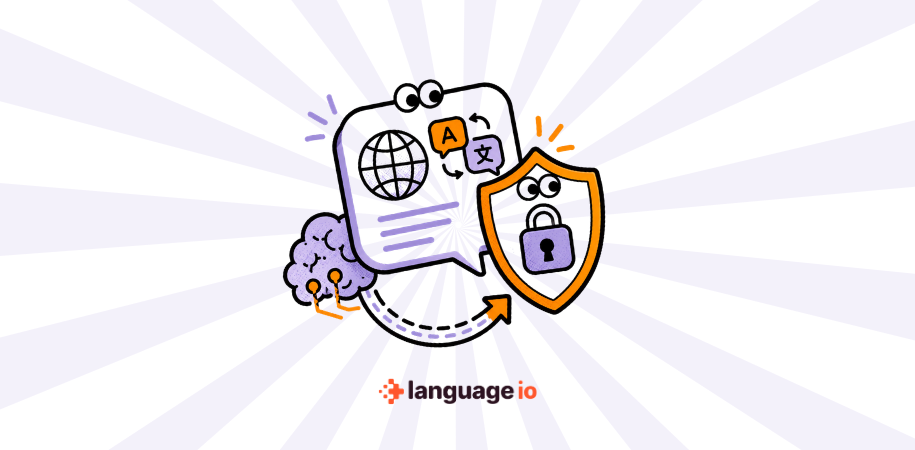
GDPR-compliant AI translation: What businesses need to know about privacy, security, and customer data
AI translation can be used in a GDPR-compliant workflow, but an AI translation tool is not automatically GDPR compliant simply because it encrypts data or claims to be secure.
Organizations using AI translation need to understand what personal data is processed, why it is processed, where it goes, how long it is kept, which subprocessors receive it, and whether international data transfers are properly protected.
HIPAA Rules for AI Translation: What Healthcare Teams Need to Know
HIPAA does not prohibit healthcare organizations from using AI translation. If the translation process involves protected health information, the organization must make sure the data is handled in accordance with HIPAA requirements. That includes appropriate safeguards, vendor risk review, Business Associate Agreements when required, controls around data access and retention, and a clear understanding of which AI models and subprocessors receive the information.
Best AI-Powered Translation Platforms for Enterprise Customer Support in 2026
Most teams evaluating AI translation software end up comparing tools that don’t compete. Static localization platforms and real-time CX translation layers solve different problems, serve different workflows, and require different security standards. This guide separates them.
AI translation for healthcare: The complete guide to accuracy, compliance, and patient safety
An LLM is not one tool doing one job. Drop it into a translation workflow and it shows up at a dozen points, each with a different purpose: cleaning up messy source text, enforcing terminology, adapting tone to the locale, judging translation quality, and flagging the segments that need a human eye.
ChatGPT Translation Accuracy in 2026: Where It Works and Where It Fails
So how accurate is ChatGPT translation?
8 Jobs an LLM Can Do in Translation, and the One It Can’t
An LLM is not one tool doing one job. Drop it into a translation workflow and it shows up at a dozen points, each with a different purpose: cleaning up messy source text, enforcing terminology, adapting tone to the locale, judging translation quality, and flagging the segments that need a human eye.
